How to Choose Top Maintenance Contractors
Benefits of Proactive Maintenance in HVAC Services You Cannot Overlook
The significance of proactive maintenance in HVAC services should not be underestimated. Regular inspections and tune-ups are essential for improving system efficiency and prolonging equipment lifespan. These practices also contribute to reduced energy costs and enhanced indoor air quality. As the benefits unfold, one begins to realize how skipping maintenance can cause more serious issues down the road. Understanding these benefits can alter how one approaches HVAC care. What might be the consequences of neglecting this critical practice?
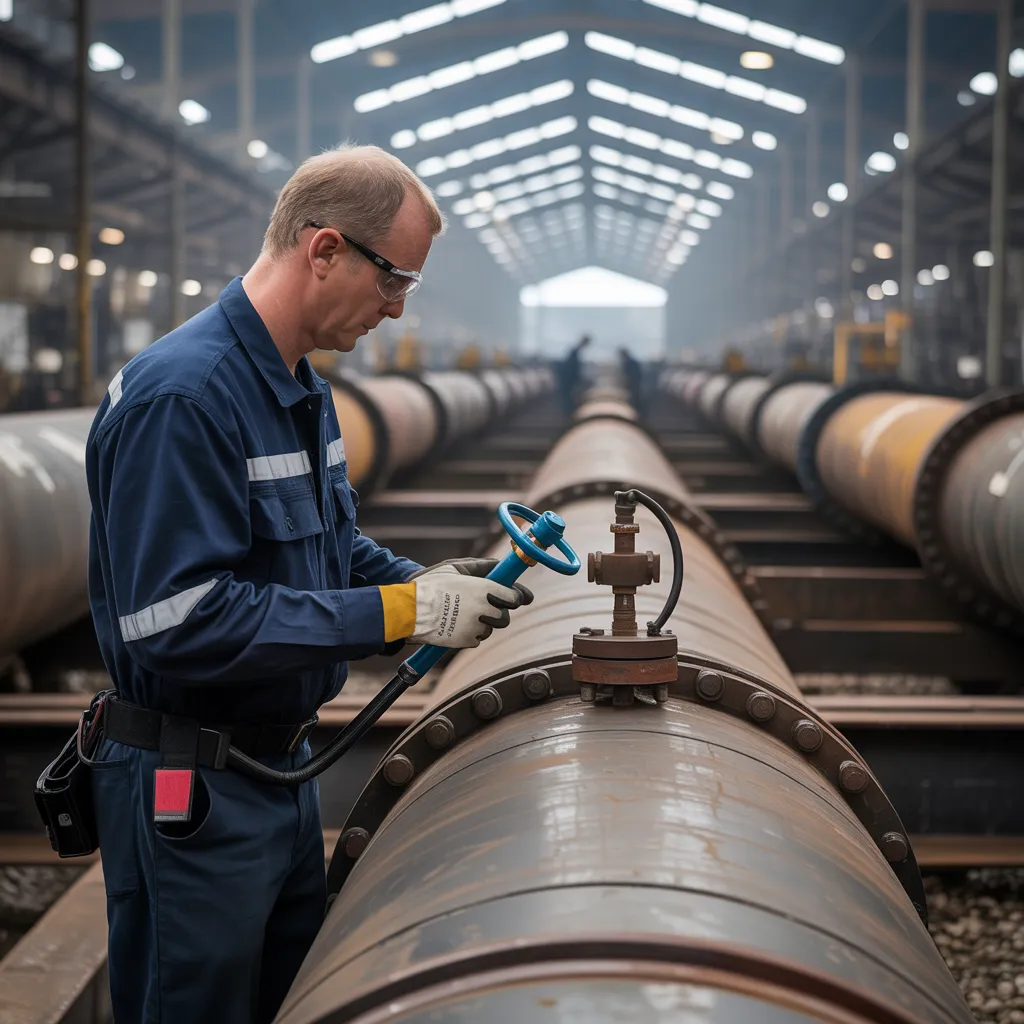
Enhances System Performance
Preventive maintenance serves a critical function in improving system performance for HVAC services. Periodic evaluations and tune-ups confirm all elements work at their best capacity, minimizing the probability of sudden system failures. HVAC specialists commonly discover minor concerns prior to their progression, enabling prompt fixes that preserve operational efficiency. This preventive strategy reduces deterioration of components, ultimately extending the lifespan of HVAC systems.
Reduces Power Bills
Preventative maintenance in HVAC services plays an essential role in reducing energy costs. By maintaining optimal system effectiveness, it produces decreased utility expenses and increases equipment durability. Therefore, routine maintenance not only provides instant cost reductions but also improves the extended viability of HVAC equipment.
Enhanced System Productivity
As HVAC systems are regularly maintained, their efficiency considerably increases, leading to lower energy costs for users. Regular checks, including filter replacements and system calibrations, ensure that components function at peak performance. A well-maintained system can temperature-control a space more effectively, decreasing the workload on the unit. This improved performance decreases energy consumption, permitting the system to use energy more efficiently. Furthermore, preventative maintenance can detect and rectify potential issues before they escalate, which could hinder system performance. By preserving peak efficiency, HVAC systems not only extend their lifespan but also contribute to a more sustainable energy use. Finally, improved system efficiency is an essential factor in maximizing the benefits of HVAC maintenance.
Minimize Utility Costs
Consistent maintenance of HVAC systems not only improves their efficiency but also leads to considerably lower utility bills for both residential and commercial properties. Regular check-ups and necessary adjustments make certain that the system operates at peak capacity, consuming less energy during heating or cooling cycles. When filters are maintained and changed, airflow increases, allowing the HVAC unit to function without working too hard. Additionally, identifying and fixing minor issues before they escalate helps maintain energy efficiency. This proactive approach reduces energy waste, translating to reduced monthly expenses. In the end, investing in preventative maintenance safeguards against unexpected spikes in energy costs, making it a financially prudent choice for those aiming to manage their utility bills effectively.
Increased Machinery Durability
Increased longevity is an important advantage of ongoing HVAC maintenance, as it directly contributes to extending the lifespan of systems. Regular servicing guarantees that components perform at peak levels, lessening wear and tear. This forward-thinking method helps identify potential issues before they worsen, decreasing the risk of pricey malfunctions. When HVAC systems are diligently maintained, they tend to work reliably, which not only prolongs their service life but also translates to lower energy costs. Efficient systems consume less power, promptly aiding homeowners and businesses financially. Finally, investing in proactive servicing not only safeguards the longevity of HVAC equipment but also improves its performance, leading to significant savings over time. Therefore, maintaining HVAC systems is an essential practice for both longevity and cost efficiency.
Lengthens Machinery Life Expectancy
A systematic approach to preventative maintenance will greatly extend the lifespan of HVAC equipment. Regular inspections and scheduled servicing help identify potential issues before they escalate, helping ensure that components operate efficiently. By handling minor concerns promptly, the risk of significant damage is reduced, thereby protecting the integrity of the system.
Furthermore, regular maintenance improves energy efficiency, minimizing wear and tear on the equipment. Unobstructed filters, efficiently lubricated parts, and balanced airflow all result in a smoother operation, which directly correlates with longevity.
In addition, maintaining a thorough service history enables technicians to observe performance trends over time, enabling informed decisions about repairs and replacements. Ultimately, a proactive maintenance strategy not only boosts reliability but also promotes a more sustainable approach to HVAC management, allowing systems to perform optimally for years. Investing in regular maintenance is a strategic choice that delivers long-term benefits for both equipment and users.
Reduces Unanticipated Equipment Failures
Routine inspections and adjustments are crucial for reducing unforeseen failures in HVAC systems. Through supporting the early recognition of malfunctions, preventative maintenance verifies that small problems are corrected before they transform into major malfunctions. This preventive method not only strengthens system performance but also minimizes the chance of high-cost emergency fixes.
Routine Inspections and Adjustments
While many homeowners may overlook the importance of routine HVAC inspections, these proactive steps play a crucial role in preventing unexpected breakdowns. Regular maintenance checks allow trained technicians to analyze the system's performance and identify any necessary adjustments. These adjustments can include adjusting thermostats, tightening electrical connections, and cleaning components, all of which contribute to the overall effectiveness of the HVAC system. By maintaining peak operation, homeowners can eliminate the wear and tear that often leads to significant system failures. Furthermore, consistent evaluations help to extend the life of HVAC equipment, decreasing the likelihood of costly repairs. In the end, prioritizing regular evaluations and adjustments can increase reliability, ensuring that the system operates smoothly throughout its service life.
Timely Detection of Issues
Preventive maintenance in HVAC services significantly improves the early detection of issues, successfully minimizing unexpected breakdowns. By routinely inspecting and servicing HVAC systems, technicians can identify potential problems before they escalate into high-cost repairs or system failures. Early detection enables the timely replacement of worn components, addressing minor leaks, and correcting inefficiencies, guaranteeing peak performance. Moreover, this practice helps increase the lifespan of the equipment, encouraging reliability and reducing the likelihood of emergency calls. Furthermore, minimizing unexpected breakdowns contributes to a more comfortable indoor environment and can result in energy savings. Overall, prioritizing early detection through preventive maintenance is a strategic approach that substantially benefits both homeowners and businesses alike.
Enhances Indoor Air Quality
Effective HVAC solutions not only regulate temperature but also play a crucial role in enhancing indoor air quality. Consistent maintenance guarantees that air filters are clean and functioning effectively, significantly reducing the presence of dust, allergens, and pollutants in the air. This forward-thinking approach helps to reduce respiratory issues and allergies among occupants, fostering a healthier living environment. Moreover, HVAC systems that receive consistent upkeep are less likely to develop mold or mildew, which can thrive in neglected units. By addressing potential contaminants before they become problematic, proactive maintenance creates an atmosphere that supports well-being. Additionally, optimized airflow through consistently serviced systems helps to balance humidity levels, further elevating air quality. In conclusion, investing in regular HVAC maintenance not only supports temperature regulation but also enhances the overall quality of indoor air, benefiting both health and comfort for all occupants.
Boosts Ease Levels
Routine HVAC servicing is essential to increasing comfort levels within indoor spaces. By confirming that heating and cooling systems run efficiently, servicing reduces temperature fluctuations and creates a stable environment. Periodic checks and cleanings of components such as filters, coils, and ducts avoid the buildup of dust and debris, which can hinder airflow and cause uneven heating or cooling.
In addition, properly maintained systems run more quietly, lessening noise pollution that can interrupt daily activities. Consequently, occupants experience a more pleasant atmosphere favorable for relaxation and productivity. Also, timely maintenance enables identify and correct potential issues before they escalate into costly repairs or system failures, consequently ensuring uninterrupted comfort.
Maintains Compliance With Regulatory Standards
While maintaining HVAC systems, adherence to local and national regulations stands as a critical consideration for property owners and managers. Regular preventative maintenance helps ensure that systems satisfy these standards, reducing the risk of fines and legal issues. HVAC regulations often include energy efficiency, emissions standards, and safety protocols. By complying with these guidelines, property owners exhibit a commitment to environmental responsibility and occupant safety.
Non-compliance can result in significant financial penalties and greater copyrightination from regulatory authorities. Preventive discover here maintenance programs, which include regular inspections and system updates, provide a proactive approach to meeting these standards. Additionally, staying compliant enhances the longevity of HVAC systems, as regularly maintained systems are unlikely to experience failures that could lead to regulatory violations. To summarize, effective preventive maintenance not only safeguards against potential legal repercussions but also creates a safe and efficient environment for all building occupants.
Your Questions Answered
How Often Should I Schedule Preventative Maintenance for My HVAC System?
Heating and cooling systems should receive preventative maintenance no less than twice a year, preferably in spring and fall. This schedule helps guarantee peak performance, increases equipment lifespan, and minimizes the risk of unexpected breakdowns during extreme temperatures.
Which Specific Services Are Included in Preventive HVAC Maintenance?
Regular preventive HVAC maintenance typically includes activities like servicing filters, copyrightining ductwork, assessing refrigerant levels, testing electrical components, oiling moving parts, and verifying thermostat accuracy, each designed to enhancing unit effectiveness and durability.
Can I Perform Any HVAC Maintenance Myself?
Certain HVAC maintenance tasks are suitable for homeowners to handle, like changing air filters and cleaning vents. Nevertheless, complex repairs should be left to professionals to ensure system efficiency and safety.
What Signs Indicate My HVAC System Demands Immediate Attention?
Symptoms that an HVAC system needs immediate attention include odd noises, uneven temperatures, frequent cycling, weak airflow, odd odors, and visible leaks. Ignoring these warning signs can lead to more significant issues and increased repair costs.
Do Any Warranties Cover Preventative Maintenance Services?
A number of HVAC companies include warranties that can cover routine maintenance services. However, exact conditions and terms change, so it's vital for homeowners to evaluate guarantee details to grasp the coverage and requirements thoroughly.